

If it seems as if your marketing team is constantly optimizing your marketing campaigns with little meaningful improvement in performance, you’re not alone.
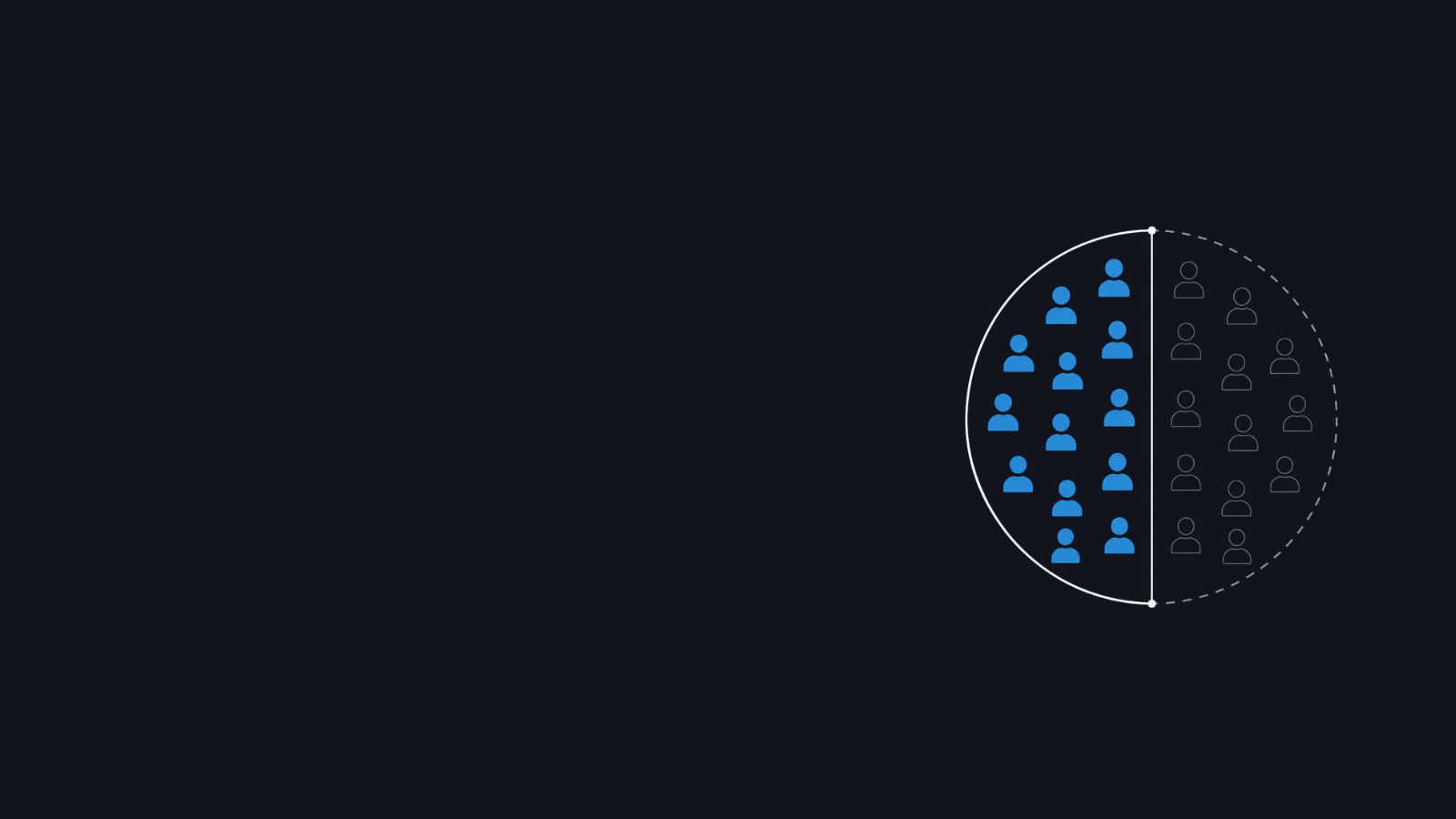
The reality is that optimization only works when you can see what’s actually driving results. And all too often, organizations are optimizing their campaigns with a view of only part of the picture.
In our previous blog post on audience visibility, we explored the ways an incomplete view of a prospect universe can limit acquisition performance before a campaign even begins. It also makes it much harder to understand what’s working, why it’s working, and where future growth opportunities exist.
The Measurement Gap
A recent Anderson survey found that 27% of marketing leaders cite ROI measurement as one of their biggest challenges. That pressure is understandable. Marketing leaders are expected to not only drive growth, but also to determine which strategies, audiences, and campaigns are contributing to that growth.
So, what’s the issue? It’s certainly not lack of data. In fact, most marketing teams have access to voluminous amounts of campaign and performance data. The challenge is connecting audience targeting, campaign activity, and business outcomes in a meaningful way. When that isn’t happening, it’s difficult to identify what’s truly driving response and conversion.
Optimization Without Visibility Has Its Limits
Campaigns are adjusted all the time to improve clickthrough rates, optimize messaging, or increase channel activity. But all too often, those adjustments are made without a clear understanding about which audiences are driving the results or why some segments respond more effectively than others. When optimization is done that way, it can improve activity, but it may not improve performance.
The reality: A campaign may appear successful based on response metrics alone. But if large groups of qualified prospects were never included in the targeting universe to begin with, conclusions about the campaign’s performance are limited—and the campaign is optimized within only part of the market. And that can create a significant obstacle to growth.
Without a complete view of your audience, you risk scaling tactics that appear to be effective, while in reality you’re missing larger opportunities elsewhere in the market.
Why Audience Visibility Matters to Measurement
Without a complete view of your prospect universe, the insights you gather about campaign performance will also be incomplete. And you’ll be making decisions for future campaigns that are shaped by only the portion of your market that you can currently see. More than reporting, that influences the audiences, campaigns, and channels you prioritize for future campaigns.
What Leading Teams are Doing Differently
Organizations with stronger acquisition performance:
- Connect audience insights and campaign performance early in the planning process
- Build measurement frameworks before campaigns launch
- Evaluate performance across a complete view of the addressable market
- Focus on actionable visibility, not just reporting volume.
They do all this to create a clearer understanding of who is responding and why—and where additional growth opportunities exist.
Is It Time for a More Actionable View of Your TAM?
For many organizations, the challenge today isn’t a lack of optimization efforts. It’s limited visibility into the total addressable market (TAM). By combining broader audience coverage with deeper behavioral and modeled insight, predictive intelligence can help marketers build a more complete and actionable view of their TAM. Instead of optimizing campaigns within only part of the market, you can now identify high-potential audiences that may have been invisible in the past.
The result is a clearer understanding of:
- Where growth opportunities are
- Which audiences are most likely to respond
- How acquisition strategies can scale more efficiently over time.
Ready for a clearer view of your acquisition opportunities?
Request your complimentary Market Coverage Diagnostic to better understand where audience visibility gaps may be limiting growth at your organization.
Leave a Reply